


Technical Assistance
Training Sessions
2 Day Training Program on QA/QC Module for Edible Oil Fortification, Kandla
For the efficacy of fortification, it is imperative that fortified food contains levels of vitamins and minerals in accordance with the national standards. Efforts were made to create an enabling environment for industry to extend their current portfolio of fortified edible oil.
Extensive work was initiated with the Food Safety & Standards Authority of India (FSSAI) to develop standards around fortification, in particular for edible oil. Currently these standards are under consideration of the Regulatory.
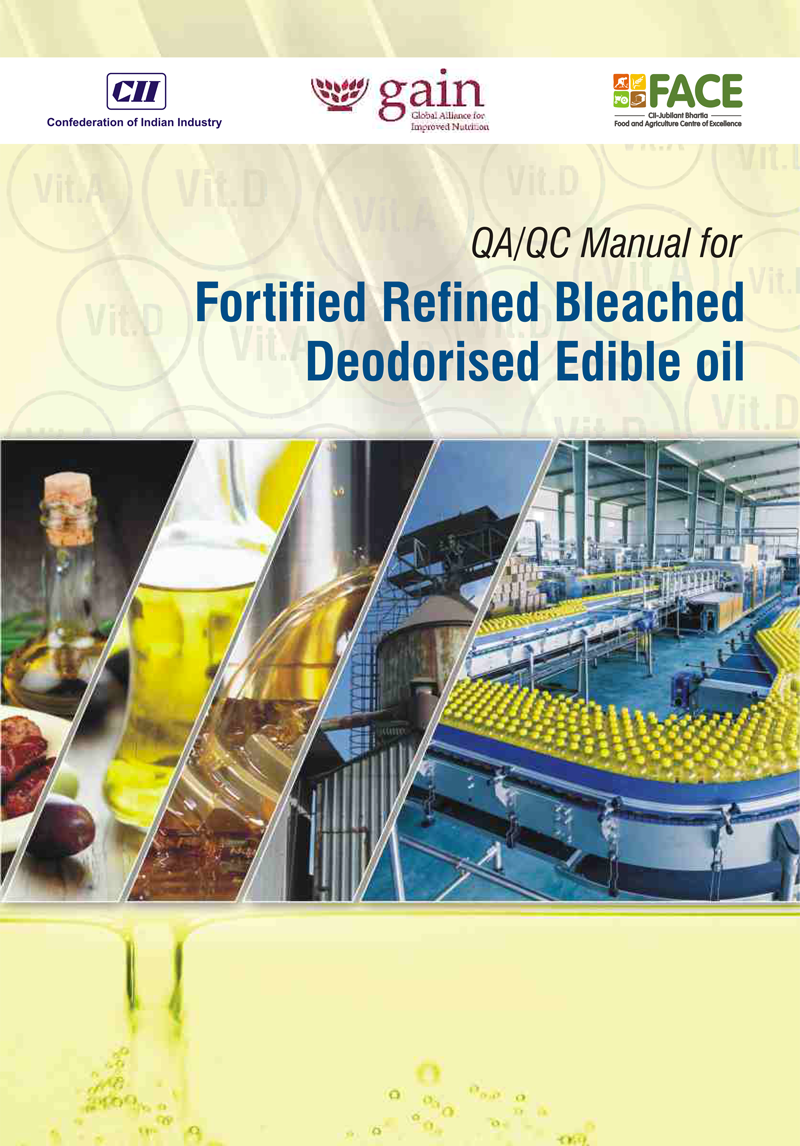
Click here to view
Manuals on Quality Assurance (QA) and Quality Control (QC) protocols for fortification were developed as the standard guidelines for adoption by SMEs and other companies planning to fortify their food products. These manuals provide comprehensive guidelines for both the plant operatives and quality professionals to establish and maintain quality programs which encompasses the quality control programs from raw material receipt to finished product delivery.
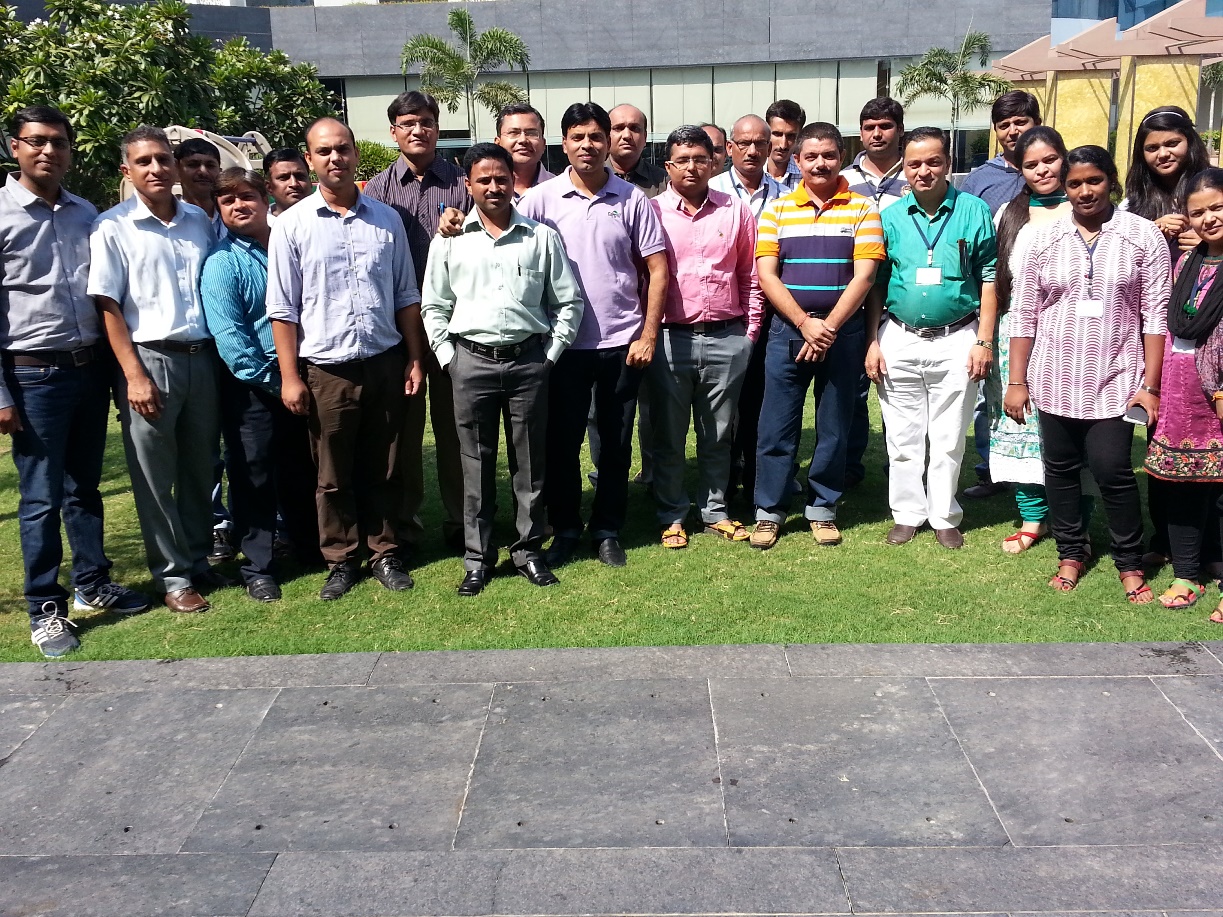
2 day training program on QA/QC module for Edible Oil Fortification
Training programs were organized to enhance the capacity within the Edible Oil Industry, on quality assurance and quality control module, emphasized on critical pre-requisites and Operational prerequisites for the implantation of the processes of Edible Oil Fortification.
Key Focus of the Training Programmes
a. Regulatory Aspects related to Edible Oil Fortification: The regulatory compliance is a critical must. It is important to understand, the manner in which the label must appear and other critical aspects of standards for ensuring compliance with the FSSAI regulations.
b. HACCP and FSMS Management in Fortified Edible Oil Processing: HACCP principles in Edible Oil Fortification process and implementation of Food Safety Management Systems focusing on key elements of the System standards. case studies on use of the Risk Assessment tools, the decision making steps for a hazard etc.,
c. Pre-requisite programs for Edible Oil Fortification industry: the critical pre-requisites and Operational pre requisites in the QA/QC Edible Oil Fortification manual and also the statutory requirements of FSSAI under Schedule 4 part 2. Best practices in common processes for accomplishing food safety were showcased through both illustrations, explanations and quoting the relevant standards.